

Resveratrol and Liver Health
May 14, 2009 Written by JP [Font too small?]Resveratrol is a phytochemical most commonly found in bilberries, blueberries, cocoa, cranberries, grapes (purple grape juice and red wine), peanuts and walnuts. Over the last few decades, it’s received a tremendous amount of attention in the research community. In fact, a recent search of the word “resveratrol” in the scientific literature returned over 2,700 citations. Experiments conducted in animal models have demonstrated a possible anti-aging effect and prolongation of lifespan in various test subjects, including fruit flies, worms, fish and mice. Laboratory studies also suggest an application for this polyphenol in supporting cardiovascular health and discouraging the growth of a variety of cancers. But there’s another powerful role that is emerging in the study of resveratrol – that of liver protector.

There’s a certain irony here. Red wine is generally accepted as the greatest source of resveratrol in the typical human diet. Alcohol is also considered the greatest foe of liver health. But irony has no place in science. Only the facts matter and, lately, they’ve been continually pointing a positive finger at red wine and resveratrol in supporting healthy liver function. (1)
A new 4 week experiment compared the effects of an identical diet on the health of rats with “non-alcoholic fatty liver disease”. Both groups of rats were fed a high carbohydrate diet that was low in fat and included periodic fasting. But one set of rats was also given 10mg of resveratrol per day.
At the conclusion of the trial, the rats’ livers were analyzed. The concentration of liver fat in the resveratrol group was significantly lower than in the group only receiving the prescribed diet. There was also a drop in the quantity of Kupffer cells, which indicates a slowing of fibrosis and fatty liver progression. In addition, the researchers also detected a higher concentration of protective antioxidants in the livers of the resveratrol rats.
Similar effects have been noted in several other recent studies. No less than three trials in 2008 propose a dramatic connection between resveratrol intake and improvements in nonalcoholic fatty liver disease (NAFLD). Most of the data suggests that the benefits are the result of a potent antioxidant effect, improved glucose and insulin management and a decrease in inflammatory substances such as TNF-a (tumor necrosis factor a). This led one group of researchers to conclude that, “Our study suggests that resveratrol may serve as a promising agent for preventing or treating human alcoholic fatty liver disease.” (2,3,4)
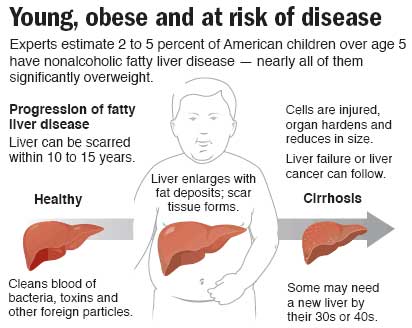
According to one analysis, liver cancer is “the fifth most common malignancy worldwide and its incidence is rising”. Resveratrol may one day become a valuable tool in the battle against this lethal disease. A study from May 2009 discovered that adding resveratrol to the food of rats with hepatocellular carcinoma (HCC) reduced the number and size of the cancerous nodules. The mode of action appeared to be an increase in the destruction of cancerous cells and the slowing of existing cancer growth. The authors believe that, “resveratrol can potentially be developed as a chemopreventive drug against human HCC”, due to its apparent lack of toxicity and the generally poor prognosis for HCC patients undergoing conventional treatment. (5,6)
At present, it can’t be said that resveratrol is the “cure all” that many marketers claim it is. But I continue to be intrigued by recent reports, such as the one published in the April issue of the Journal of Epidemiology and Community Health. It found that men who drink small amounts of wine (a glass or less per day) live up 5 years longer than those who don’t drink at all. The authors believe this is primarily due to the cardiovascular protective effects of this grape derivative. (7)
Overall, I think resveratrol is one food component/supplement that has a very bright future in the field of preventive medicine and the promotion of longevity. There are still a lot of details to figure out, but I’m impressed enough by the research to include a low-dose resveratrol supplement in my own daily routine.
Be well!
JP
Tags: Liver, Wine
Posted in Nutritional Supplements
May 15th, 2009 at 7:37 pm
Hey, that explains why winos have cast-iron livers. My father-in-law live to 92. No, wait, he consumed resbeeratrol.
May 15th, 2009 at 7:54 pm
Resbeeratrol, eh? Hmm. 🙂
Be well!
JP
February 16th, 2010 at 6:10 am
Hey I guess that this comment is almost a year later. To Iggy, I say that yeah, resveratrol is present in red wine, but beer does not contain this essential substance (as in resBEERatrol). 🙂
April 12th, 2012 at 12:37 pm
The government/s is trying to scare us from making reveratrol big time because they don’t want anyone having better memory, living longer etc. that would create competition for them and they will have to make all new endoctrination campaigns against more actual working medicines, like cannabis was targeted as dangerous for being the world’s only drug free from psychoactive properties causing negative psychosis risk as long as the cannabidials are at least 0.87% and cannabinoids are at least 0.35% you see cbd and cbn are medicine lol with anti-psychotic properties and no real dangerous physical side effects, unlike all pharmecutical drugs or other recreational or religious drugs, a drug is anything that alters the way you think, act, or feel. Cannabis/Marijuana is also a brain cell growth promoter, it kills cancerous cells and inhibits their growth in tumors, Pot also Protects your nervous system against damage as well, It has been proven to keep the mind open and not closing off itself to new things also, which naturally happens for some reason to us unfortunately. that is why so many people say its too late for me , I am set in my ways or im too old! lol, it is never too late and you are never too old to try something new.
June 1st, 2015 at 2:06 pm
Update 06/01/15:
http://www.nmcd-journal.com/article/S0939-4753%2815%2900103-9/abstract
Nutr Metab Cardiovasc Dis. 2015 Apr 25.
A double-blind, placebo-controlled randomized trial to evaluate the efficacy of docosahexaenoic acid supplementation on hepatic fat and associated cardiovascular risk factors in overweight children with nonalcoholic fatty liver disease.
BACKGROUND AND AIMS: Very little information is available on whether docosahexaenoic acid (DHA) supplementation has a beneficial effect on liver fat and cardiovascular disease (CVD) risk factors in children with nonalcoholic fatty liver disease (NAFLD). In a double-blind, placebo-controlled randomized trial we investigated whether 6-month treatment with DHA improves hepatic fat and other fat depots, and their associated CVD risk factors in children with biopsy-proven NAFLD.
METHODS AND RESULTS: Of 58 randomized children, 51 (25 DHA, 26 placebo) completed the study. The main outcome was the change in hepatic fat fraction as estimated by magnetic resonance imaging. Secondary outcomes were changes in visceral adipose tissue (VAT), epicardial adipose tissue (EAT), and left ventricular (LV) function, as well as alanine aminotransferase (ALT), triglycerides, body mass index-standard deviation score (BMI-SDS), and insulin sensitivity. At 6 months, the liver fat was reduced by 53.4% (95% CI, 33.4-73.4) in the DHA group, as compared with 22.6% (6.2-39.0) in the placebo group (P = 0.040 for the comparison between the two groups). Likewise, in the DHA group VAT and EAT were reduced by 7.8% (0-18.3) and 14.2% (0-28.2%), as compared with 2.2% (0-8.1) and 1.7% (0-6.8%) in the placebo group, respectively (P = 0.01 for both comparisons). There were no significant between-group changes for LV function as well as BMI-SDS and ALT, while fasting insulin and triglycerides significantly decreased in the DHA-treated children (P = 0.028 and P = 0.041, respectively).
CONCLUSIONS: DHA supplementation decreases liver and visceral fat, and ameliorates metabolic abnormalities in children with NAFLD.
Be well!
JP