

The Gingivitis Diet
October 1, 2009 Written by JP [Font too small?]Every now and then a story appears on the news about the house that’s the neighborhood eyesore. The lawn is dying and overrun with weeds. A rusted, broken down car is parked in the driveway. Paint is peeling from the walls and windows are boarded up. In such instances, the lack of care of that residence impacts the entire “health” of the neighborhood. The same is true of the human body. If one part of the anatomy isn’t properly cared for, it frequently affects many of the neighboring organs and systems.
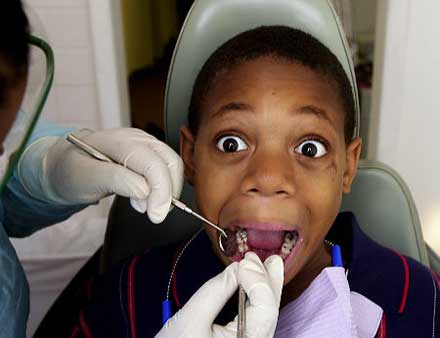
There are certain obvious risks associated with gum disease. Tooth loss is probably chief among them. However, the infections and inflammation that play a role in poor periodontal health can also contribute to a number of serious health conditions such as atherosclerosis, cancer, erectile dysfunction, kidney disease and even pregnancy complications (pre-term low birth weight). (1,2,3,4,5)
We’re all aware of the importance of regular brushing, flossing and periodic dental check ups. Technological advancements, such as electric toothbrushes, provide additional tools in the battle against gingivitis. But what is rarely discussed is the role that diet can play in the preservation of healthy gums. (6,7,8)
The basics are quite clear. Avoid eating too much candy and drinking too much soda. Some dentists even recommend chewing sugar-free gum. But how many of them have advised eating more green and yellow (non-starchy) vegetables? Here’s why I think they should:
- A new study published in the Journal of Clinical Periodontology examined the eating patterns of over 1,200 senior men. The researchers determined that those who consumed the highest levels of certain antioxidants (carotenoids) were less likely to suffer from periodontitis. Specifically, two antioxidants known as beta-cryptoxanthin and beta-carotene were associated with a decreased risk of gum disease. Carotenoids are plant pigments found in brightly colored fruits and vegetables. (9)
- A recent Japanese study evaluated the diets of 600 senior citizens over a 6 year period. A few food groups were shown to have a protective effect on gums and teeth – dairy products and dark green and yellow vegetables. On the other hand, the consumption of alcohol and sugar increased the likelihood of poor oral health. (10)
Observational studies are one thing. But the question that often remains is whether making dietary changes can actually affect the progression of periodontal disease. The answer to this may lie in a recent study presented in the British Journal of Nutrition. In it, 20 patients with “chronic periodontitis and metabolic syndrome” participated in a 12 month dietary intervention. The prescribed diet aimed to address poor blood sugar control, cardiovascular and gingival health. A variety of tests were conducted to assess gum health prior to, during and after the implementation of the new menu plan. By the end of the 1 year study, improvements were found in a few key areas – a reduction in gingival inflammation and clinical probing depth. The authors of the trial concluded that, “these findings indicate that in patients with metabolic syndrome, wholesome nutrition might reduce inflammatory variables of periodontal disease and promote periodontal health”. (11)
Metabolic syndrome and type 2 diabetes are related conditions. A hallmark of both is insulin resistance and subsequent blood sugar irregularities. In recent years, scientists have repeatedly discovered an association between periodontal disease and type 2 diabetes. Based on the results of the study I just described, it seems that controlling blood sugar via diet could be a powerful aid in the fight against gum disease and the side effects that go with it. (12,13,14)
Regular exercise is one of the best strategies for improving insulin resistance. It’s probably no accident that several trials have also drawn a correlation between regular physical activity and lower rates of periodontitis. Besides lowering blood sugar, it appears that frequent exercise may also reduce inflammation in those at high risk for gum disease. (15,16,17)
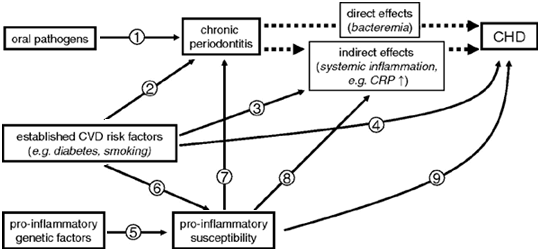
Pathways Explaining the Periodontitis–CHD (Coronary Heart Disease) Association
The inclusion of probiotic foods and supplements in ones diet may help combat the inflammatory process that contributes to gum damage. A newly published study involving 50 volunteers determined that drinking probiotic milk (containing 65 billion healthy bacteria) daily for 8 weeks resulted in a reduction in two destructive enzymes – elastase and matrix metalloproteinase-3. These substances can encourage the breakdown of gingival tissue. The results of this trial are supported by prior research which indicates that probiotics may promote gum integrity and, perhaps, even reduce cavities and plaque formation. (18,19,20,21,22)
The very same principles that help sustain overall wellness can also assist in maintaining a healthy smile. The body craves an all-natural, whole food diet and is designed to move and stay active. Denying it of either of these vital elements can dramatically effect virtually every part of its physiology. The good news is that “dis-eases” can often be corrected by simply getting back on the right track. In the case of periodontal health, a wholesome diet, regular exercise and perhaps a good probiotic can go a long way in reducing future dental and, consequently, health expenses.
Note: Please check out the “Comments & Updates” section of this blog – at the bottom of the page. You can find the latest research about this topic there!
Be well!
JP
Tags: Carotenoids, Gums, Probiotics
Posted in Dental Health, Food and Drink, Nutrition
October 2nd, 2009 at 2:05 am
Good Morning JP,
cool pic :-)! Great article! Love your blog!
Nina K.
October 2nd, 2009 at 2:19 am
Thanks, Nina! I appreciate your kind comments! 🙂
Be well!
JP
October 2nd, 2009 at 10:08 am
Wow… all the more reason to exercise.
October 2nd, 2009 at 11:16 am
I was just thinking about this…
and here it is!
Good post, JP!
Thanks.
October 2nd, 2009 at 12:08 pm
Absolutely, Angie. Anything that helps promote healthier blood sugar and circulation (such as exercise) can only help. 🙂
Be well!
JP
October 2nd, 2009 at 12:10 pm
Thanks, Anne!
If you’re interested in more gum and teeth friendly tips, please take a look at the “Dental Health” section of the site. There are many natural options for keeping your gums pink and strong and your chompers pearly white!
https://www.healthyfellow.com/category/dental-health/
Be well!
JP
October 2nd, 2009 at 1:16 pm
Great article! I especially liked reading about the connection between inflammation and high risk for gum disease. I have been reading more and more about inflammation and how many people don’t even realize it’s building inside them and the effect it can have on them. Your solutions on a better diet and exercise are spot on. There’s also a cactus in the Sonoran Desert (Nopal Cactus) that has been proven to reduce inflammation. Diet is so important to have strong building blocks for our bodies to be healthy!
Thanks for the great info!
Kathy
October 2nd, 2009 at 2:27 pm
Thanks, Kathy!
Be well!
JP
January 30th, 2011 at 1:51 am
I read this post just hours after visiting a new dentist office in my neighborhood.(went because of a special deal) This was a 6 month checkup (xray,exam,etc) I was told I had periodontal disease which you can never get rid of? wow what a shocker! I do take care of my teeth, so I was very concerned by this diagnosis. Plan to consult with the old dental office I used for the past 3 yrs. Thanks for the info on green tea. It is one of my favorite beverages so I drink it daily.
May 18th, 2015 at 1:46 pm
Update 05/18/15:
http://www.mdpi.com/1422-0067/16/5/10665
Int J Mol Sci. 2015 May 11;16(5):10665-73.
Consumption of bilberries controls gingival inflammation.
Bioactive molecules in berries may be helpful in reducing the risk of oral diseases. The aim of this study was to determine the effect of bilberry consumption on the outcome of a routine dental clinical parameter of inflammation, bleeding on probing (BOP), as well as the impact on selected biomarkers of inflammation, such as cytokines, in gingival crevicular fluid (GCF) in individuals with gingivitis. Study individuals who did not receive standard of care treatment were allocated to either a placebo group or to groups that consumed either 250 or 500 g bilberries daily over seven days. The placebo group consumed an inactive product (starch). A study group, receiving standard of care (debridement only) was also included to provide a reference to standard of care treatment outcome. Cytokine levels were assayed using the Luminex MagPix system. The mean reduction in BOP before and after consumption of test product over 1 week was 41% and 59% in the groups that consumed either 250 or 500 g of bilberries/day respectively, and was 31% in the placebo group, and 58% in the standard of care reference group. The analysis only showed a significant reduction in cytokine levels in the group that consumed 500 g of bilberries/day. A statistically significant reduction was observed for IL-1b (p = 0.025), IL-6 (p = 0.012) and VEGF (p = 0.017) in GCF samples in the group that consumed 500 g of bilberries daily. It appears that berry intake has an ameliorating effect on some markers of gingival inflammation reducing gingivitis to a similar extent compared to standard of care.
Be well!
JP
June 16th, 2015 at 6:03 pm
Update 06/16/15:
http://www.nigeriamedj.com/article.asp?issn=0300-1652;year=2015;volume=56;issue=2;spage=143;epage=147;aulast=Peedikayil
Niger Med J. 2015 Mar-Apr;56(2):143-7.
Effect of coconut oil in plaque related gingivitis – A preliminary report.
BACKGROUND: Oil pulling or oil swishing therapy is a traditional procedure in which the practitioners rinse or swish oil in their mouth. It is supposed to cure oral and systemic diseases but the evidence is minimal. Oil pulling with sesame oil and sunflower oil was found to reduce plaque related gingivitis. Coconut oil is an easily available edible oil. It is unique because it contains predominantly medium chain fatty acids of which 45-50 percent is lauric acid. Lauric acid has proven anti inflammatory and antimicrobial effects. No studies have been done on the benefits of oil pulling using coconut oil to date. So a pilot study was planned to assess the effect of coconut oil pulling on plaque induced gingivitis.
MATERIALS AND METHODS: The aim of the study was to evaluate the effect of coconut oil pulling/oil swishing on plaque formation and plaque induced gingivitis. A prospective interventional study was carried out. 60 age matched adolescent boys and girls in the age-group of 16-18 years with plaque induced gingivitis were included in the study and oil pulling was included in their oral hygiene routine. The study period was 30 days. Plaque and gingival indices of the subjects were assessed at baseline days 1,7,15 and 30. The data was analyzed using paired t test.
RESULTS: A statistically significant decrease in the plaque and gingival indices was noticed from day 7 and the scores continued to decrease during the period of study.
CONCLUSION: Oil pulling using coconut oil could be an effective adjuvant procedure in decreasing plaque formation and plaque induced gingivitis.
Be well!
JP
August 19th, 2015 at 11:54 am
Updated 08/19/15:
http://www.ncbi.nlm.nih.gov/pubmed/26280256
J Am Geriatr Soc. 2015 Aug 17.
The Dietary Approaches to Stop Hypertension Diet and New and Recurrent Root Caries Events in Men.
OBJECTIVES: To examine the effect of overall dietary quality on number of teeth with new or recurrent root caries events during follow-up (root caries increment).
DESIGN: Prospective study with dental examinations approximately every 3 years over 20 years.
SETTING: Veterans Affairs Dental Longitudinal Study in greater Boston, Massachusetts, area.
PARTICIPANTS: Men aged 47 to 90 (N = 533).
MEASUREMENTS: A single calibrated examiner assessed root caries and restorations, calculus, probing pocket depth, and attachment loss on each tooth at each examination. The adjusted root caries increment (root-ADJCI) was computed from new and recurrent root caries events on teeth with recession of 2 mm or more. Dietary information was obtained from food frequency questionnaires. An adherence score was computed by comparing consumption frequency of 10 food groups (fruits, vegetables, total dairy, low-fat dairy, meat, total grains, high-fiber grains, legumes, fats, sweets) from the Dietary Approaches to Stop Hypertension (DASH) diet guidelines. Mean root-ADJCIs were compared according to DASH adherence score quartile using generalized linear negative binomial regression models, controlling for age, number of teeth at risk of root caries, time at risk of root caries, calculus, presence of removable denture, history of dental prophylaxis, body mass index, and smoking status.
RESULTS: Men with DASH adherence scores in the highest quartile had a 30% lower mean root-ADJCI (1.86 teeth) than those in the lowest quartile (2.68 teeth) (P = .03). Root-ADJCI was lower with greater adherence to recommendations for vegetables and total grains and greater with greater sugar-sweetened carbonated beverage consumption. Root caries incidence rate did not vary significantly between quartiles.
CONCLUSION: A higher-quality diet may reduce root caries risk in older men.
Be well!
JP
November 10th, 2015 at 4:53 pm
Updated 11/10/15:
http://onlinelibrary.wiley.com/doi/10.1111/jcpe.12478/abstract
J Clin Periodontol. 2015 Nov 9.
Java project on periodontal diseases: effect of vitamin C/calcium threonate/citrus flavonoids supplementation on periodontal pathogens, CRP and HbA1c.
OBJECTIVE: To assess in a periodontally diseased rural population deprived from regular dental care and having poor dietary conditions, the effect of vitamin C/calcium threonate/citrus flavonoids (VitC/Ca/Fl) supplementation on subgingival microbiota and plasma levels of vitamin C, HbA1c and hsCRP.
MATERIAL & METHODS: The study population consisted of 98 subjects who previously participated in a prospective study on the natural history of periodontitis. Participants were instructed to consume one tablet/day containing 200mg Ester C® calcium ascorbate, 25mg calcium threonate and 100mg citrus flavonoids for 90 days. Following parameters were evaluated: prevalence/amount of seven traditional periodontal pathogens, cytomegalovirus, Epstein Barr virus (EBV); and plasma levels of vitamin C, HbA1c and hsCRP.
RESULTS: After VitC/Ca/Fl supplementation, 100% of subjects showed normal plasma vitamin C values compared to 55% before. At baseline, 48% of subjects harbored A. actinomycetemcomitans, >97% the other periodontal pathogens and 73% EBV. Supplementation with VitC/Ca/F reduced the subgingival load of all studied bacteria (p-values: 0.014-0.0001) and EBV (p<0.0001) substantially in all initially positive subjects. Plasma levels of HbA1c and hsCRP dropped in all subjects (p<0.0001).
CONCLUSION: This uncontrolled study suggested that supplemental VitC/Ca/Fl may be helpful in reducing subgingival numbers of periodontal pathogens and EBV, and promoting systemic health.
Be well!
JP
March 6th, 2016 at 12:11 pm
Updated 03/06/16:
http://www.ncbi.nlm.nih.gov/pubmed/26944407
J Periodontol. 2016 Mar 4:1-12.
Clinical Effects of Lactobacillus Rhamnosus in Non-Surgical Treatment of Chronic Periodontitis: A Randomized Placebo-Controlled Trial With 1-Year Follow-up.
BACKGROUND: Probiotics are living microorganisms that provide beneficial effects for the host when administered in proper quantities. The aim of this double- blind placebo- controlled parallel- arm randomized clinical trial was to evaluate the clinical effects of a Lactobacillus rhamnosus SP1-containing probiotic sachet as an adjunct to non-surgical therapy.
MATERIAL AND METHODS: Twenty-eight systemically healthy volunteer with chronic periodontitis were recruited and monitored clinically at baseline and 3, 6, 9 and 12 months after therapy. Clinical parameters measured included plaque accumulation, bleeding on probing, pocket probing depths (PPD) and clinical attachment loss. Patients received non-surgical therapy including scaling and root planing (SRP) and were randomly assigned to a test (SRP + probiotic, n = 14) or control (SRP + placebo, n = 14) group. The intake, once a day for 3 months, of a L. rhamnosus SP1 probiotic sachet commenced after the last session of SRP.
RESULTS: Both test and control groups showed improvements in clinical parameters at all time points evaluated. The test group, however, showed greater reductions in PPD than the control. Also, at initial visits and after 1-year follow-up, the test group showed a statistically significant reduction in number of participants with PPD ≥ 6mm, indicating a reduced need for surgery, in contrast to the placebo group.
CONCLUSIONS: The results of this trial indicate that oral administration of L. rhamnosus SP1 resulted in similar clinical improvements compared to SRP alone.
Be well!
JP
June 13th, 2016 at 8:53 pm
Updated 06/13/16:
http://www.ncbi.nlm.nih.gov/pmc/articles/PMC4885673/
J Dent (Shiraz). 2016 Jun;17(2):149-54.
The Efficacy of Green Tea Chewing Gum on Gingival Inflammation.
STATEMENT OF THE PROBLEM: According to previous studies, the components of green tea extracts can inhibit the growth of a wide range of gram-pos-itive and -negative bacterial species and might be useful in controlling oral infections.
PURPOSE: The aim of this study was to determine the effect of green tea chewing gum on the rate of plaque and gingival inflammation in subjects with gingivitis.
MATERIALS AND METHOD: In this double-blind randomize controlled clinical trial, 45 patients with generalized marginal gingivitis were selected and divided into two groups of green tea (23) and placebo (22) chewing gum. The patients chewed two gums for 15 minutes daily for three weeks. Sulcus bleeding index (SBI) and approximal plaque index (API) were studied at the baseline, 7 and 21 days later. Saliva sampling was conducted before and after 21 days for evaluation of IL-1β. The results were analyzed and compared by using repeated measures ANOVA, paired t test, and independent two-sample t test (α=0.05).
RESULT: The results showed that chewing gum significantly affected the SBI and API (p< 0.001). Paired t test showed that the two groups were significantly different regarding the mean changes of SBI and API at different periods of 1-7, 1-21, and 7-21 (p< 0.001). Concerning IL-1β, the repeated measures ANOVA revealed that the effect of chewing gum was significant (p<0.001). Moreover, paired t-test represented no significant difference between the mean changes of IL-1β within 1-21 day (p= 0.086). CONCLUSION: The green tea chewing gum improved the SBI and API and effectively reduced the level of IL-1β. Be well! JP
October 6th, 2016 at 10:12 pm
Updated 10/06/16:
https://www.ncbi.nlm.nih.gov/pubmed/27703614
J Clin Exp Dent. 2016 Oct 1;8(4):e442-e447.
Comparative efficacy of aloe vera mouthwash and chlorhexidine on periodontal health: A randomized controlled trial.
BACKGROUND: With introduction of many herbal medicines, dentistry has recently evidenced shift of approach for treating many inflammatory oral diseases by using such modalities. Aloe vera is one such product exhibiting multiple benefits and has gained considerable importance in clinical research recently.
AIM: To compare the efficacy of Aloevera and Chlorhexidine mouthwash on Periodontal Health.
MATERIAL AND METHODS: Thirty days randomized controlled trial was conducted among 390 dental students. The students were randomized into two intervention groups namely Aloe Vera (AV) chlorhexidine group (CHX) and one control (placebo) group. Plaque index and gingival index was recorded for each participant at baseline, 15 days and 30 days. The findings were than statistically analyzed, ANOVA and Post Hoc test were used.
RESULTS: There was significant reduction (p<0.05) in the mean scores of all the parameters with Aloe Vera (AV) and chlorhexidine group. Post hoc test showed significant difference (p<0.000) in mean plaque and gingival index scores of aloe Vera and placebo and chlorhexidine and placebo group. No significant difference (p<0.05) was observed between AloeVera and chlorhexidine group.
CONCLUSIONS: Being an herbal product AloeVera has shown equal effectiveness as Chlorhexidine. Hence can be used as an alternative product for curing and preventing gingivitis.
Be well!
JP
November 1st, 2016 at 3:25 pm
Updated 11/01/16:
http://jn.nutrition.org/content/early/2016/10/26/jn.116.237065.abstract
J Nutr. 2016 Oct 26.
Dietary Fiber Intake Is Inversely Associated with Periodontal Disease among US Adults.
BACKGROUND: Approximately 47% of adults in the United States have periodontal disease. Dietary guidelines recommend a diet providing adequate fiber. Healthier dietary habits, particularly an increased fiber intake, may contribute to periodontal disease prevention.
OBJECTIVE: Our objective was to evaluate the relation of dietary fiber intake and its sources with periodontal disease in the US adult population (≥30 y of age).
METHODS: Data from 6052 adults participating in NHANES 2009-2012 were used. Periodontal disease was defined (according to the CDC/American Academy of Periodontology) as severe, moderate, mild, and none. Intake was assessed by 24-h dietary recalls. The relation between periodontal disease and dietary fiber, whole-grain, and fruit and vegetable intakes were evaluated by using multivariate models, adjusting for sociodemographic characteristics and dentition status.
RESULTS: In the multivariate logistic model, the lowest quartile of dietary fiber was associated with moderate-severe periodontitis (compared with mild-none) compared with the highest dietary fiber intake quartile (OR: 1.30; 95% CI: 1.00, 1.69). In the multivariate multinomial logistic model, intake in the lowest quartile of dietary fiber was associated with higher severity of periodontitis than dietary fiber intake in the highest quartile (OR: 1.27; 95% CI: 1.00, 1.62). In the adjusted logistic model, whole-grain intake was not associated with moderate-severe periodontitis. However, in the adjusted multinomial logistic model, adults consuming whole grains in the lowest quartile were more likely to have more severe periodontal disease than were adults consuming whole grains in the highest quartile (OR: 1.32; 95% CI: 1.08, 1.62). In fully adjusted logistic and multinomial logistic models, fruit and vegetable intake was not significantly associated with periodontitis.
CONCLUSIONS: We found an inverse relation between dietary fiber intake and periodontal disease among US adults ≥30 y old. Periodontal disease was associated with low whole-grain intake but not with low fruit and vegetable intake.
Be well!
JP
November 5th, 2016 at 3:13 pm
Updated 11/05/16:
https://www.ncbi.nlm.nih.gov/pubmed/27807887
Phytother Res. 2016 Nov 3.
The Impact of Resveratrol Supplementation on Blood Glucose, Insulin, Insulin Resistance, Triglyceride, and Periodontal Markers in Type 2 Diabetic Patients with Chronic Periodontitis.
The aim of this study was to investigate the impact of resveratrol supplementation along with non-surgical periodontal treatment on blood glucose, insulin, insulin resistance, triglyceride (TG), and periodontal markers in patients with type 2 diabetes with periodontal disease. In this double-blind clinical trial study, 43 patients with diabetes with chronic periodontitis were participated. Subjects were randomly allocated to intervention and control groups. The intervention and control groups received either 480 mg/day of resveratrol or placebo capsules (two pills) for 4 weeks. Fasting blood glucose, insulin, insulin resistance (homeostasis model assessment of insulin resistance), TGs, and pocket depth were measured in all subjects’ pre-intervention and post-intervention. The mean serum levels of fasting insulin and insulin resistance (homeostasis model assessment of insulin resistance) were significantly lower in the intervention group compared with control group (10.42 ± 0.28 and 10.92 ± 0.9; 3.66 ± 0.97 and 4.49 ± 1.56, respectively). There was a significant difference in the mean pocket depth between intervention and control groups (2.35 ± 0.6 and 3.38 ± 0.5, respectively) following intervention. No significant differences were observed in the mean levels of fasting blood glucose and TGs between two groups’ post-intervention. It is recommended that resveratrol supplementation may be beneficial as adjuvant therapy along with non-surgical periodontal treatment in insulin resistance and improving periodontal status among patients with diabetes with periodontal disease.
Be well!
JP